Deepfake Scams: How to Identify Fake AI Images, Audio and Videos
Learn how scammers misuse cloned voices, synthetic videos and AI-generated images, and follow practical steps to verify urgent requests safely.
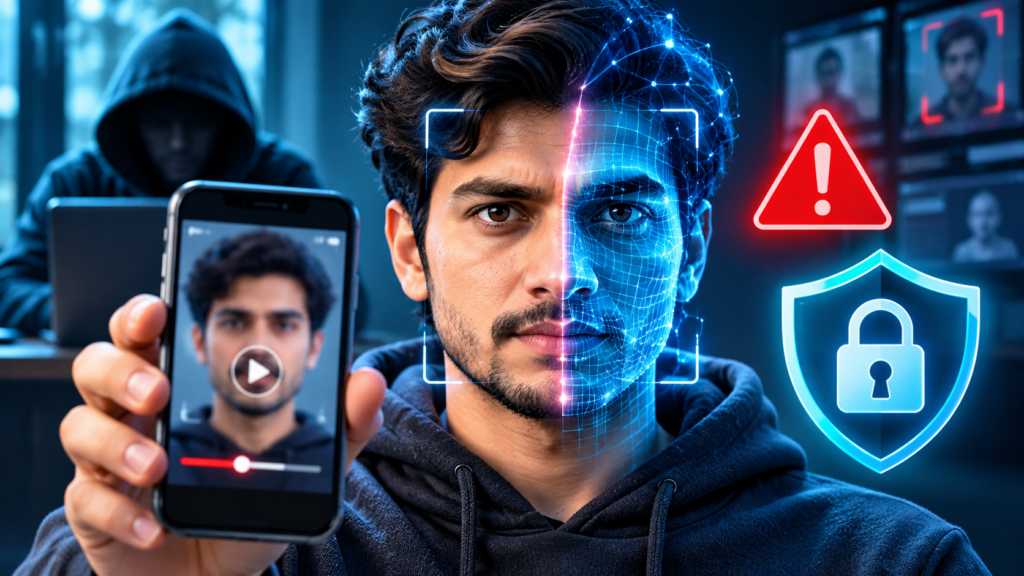
A phone call from a relative, a video showing a public figure or a voice message from a manager can feel convincing. But modern artificial intelligence can generate or manipulate images, audio and video in ways that make impersonation easier. Criminals may use these materials to create urgency, build trust and pressure people into sending money or revealing private information.
These techniques are often described as deepfakes. The safest response is not to rely on one visual clue. Pause, verify the source through a separate trusted channel and never let an unexpected message force an immediate financial decision.
What Is a Deepfake?
A deepfake is synthetic or manipulated media created with AI techniques. It may imitate a person’s face, voice or movements, or make it appear that someone said or did something that never happened. Deepfakes can be used for entertainment and legitimate creative work, but they can also support fraud, harassment, impersonation and misinformation.
Not every misleading media clip is a deepfake. A real recording can be edited, shortened, slowed down or presented without context. The important question is whether the content is authentic and whether it accurately represents the event being claimed.
How Deepfake Scams Work
1. Voice-cloning emergency calls
A scammer may imitate a family member and claim to be in an accident, detained or in urgent need of money. The caller may insist that the situation is secret or that there is no time to verify. The emotional pressure is part of the scam.
2. Fake video endorsements
Fraudulent advertisements may show a public figure appearing to recommend an investment, product or money-making scheme. A familiar face does not prove that the person endorsed the offer. Verify the claim through the person’s official channels and the relevant regulator or company.
3. Impersonation of colleagues or managers
A criminal may use a cloned voice or fabricated video to request a payment, gift card, password reset or confidential file. Businesses should use established approval processes rather than treating a familiar voice as authorisation.
4. Fake profiles and romance scams
AI-generated images can make a fraudulent online identity appear more believable. A convincing profile photo is not proof that the person is genuine. Be cautious when someone quickly asks for money, sensitive details or private images.
Warning Signs: Look Beyond the Image
Some low-quality manipulated media may contain unusual mouth movements, inconsistent lighting, strange shadows, distorted objects or audio that does not match the video. A voice may have odd pacing or background noise. These clues can be useful, but they are not a reliable test on their own. High-quality synthetic media may not show obvious visual mistakes.
Context is often more revealing than appearance. Ask whether the request is unexpected, urgent, secretive or financially unusual. Is the person asking you to bypass normal procedures? Are they requesting cryptocurrency, gift cards, a bank transfer or a one-time password? Does the message direct you to an unfamiliar website or phone number?
A Safe Verification Process
Step 1: Stop and do not act under pressure
Do not send money, share passwords or disclose personal information during an unexpected call or message. Scammers use panic and urgency to prevent careful thinking.
Step 2: Contact the person independently
End the call and use a phone number already saved in your contacts or obtained from an official source. Do not call back using a number supplied by the suspicious caller. For a workplace request, confirm through the organisation’s normal communication channel.
Step 3: Use a family or team verification phrase
Families can agree on a private code word for genuine emergencies. Businesses can use multi-person approval and established verification procedures for financial transactions. Keep the code private and do not post it online.
Step 4: Check the claim at its original source
If a video claims that a celebrity or official announced something, look for the announcement on verified official channels. For investments or financial services, check the relevant regulator and company registration rather than trusting a video advertisement.
Step 5: Preserve evidence and report suspicious activity
Keep relevant messages, phone numbers, transaction details and screenshots if it is safe to do so. If money has been transferred, contact your bank or payment provider immediately and report the incident to the appropriate cybercrime or law-enforcement authority in your country.
How Families Can Prepare
Discuss voice-cloning scams before an emergency occurs. Agree that nobody will send money based only on an urgent call. Create a private verification phrase and decide which trusted family members should be contacted. Keep important contact numbers accessible outside social media accounts.
Review what personal photos, videos and voice recordings are publicly available. You do not need to remove every online post, but think carefully before sharing content that reveals sensitive information or makes impersonation easier.
How Businesses Can Reduce Risk
Organisations should establish written procedures for payments, changes to bank details, access requests and confidential data transfers. Require independent confirmation for unusual instructions, especially those that arrive through a new channel or demand secrecy. Train employees that voice or video familiarity is not a substitute for identity verification.
Use multi-factor authentication and role-based access where appropriate. Make it easy for staff to report suspicious requests without fear of blame. A strong process protects the organisation even when a fake looks and sounds convincing.
What to Do If You Have Already Responded
If you shared a password, change it through the official service and secure other accounts that reused it. If you disclosed a one-time code, contact the affected provider immediately. If you sent money, notify your bank or payment service as soon as possible and ask whether the transaction can be stopped or recalled. Preserve evidence and report the incident to local authorities.
Do not pay someone who claims they can recover your money for an upfront fee. Recovery scams often target people who have already lost money.
Frequently Asked Questions
Can I identify every deepfake by looking closely?
No. Some synthetic media is highly convincing. Visual clues can help, but independent identity and source verification are more dependable.
Can a few seconds of audio be used to clone a voice?
Some systems can create convincing voice imitations from relatively short samples. The amount and quality of audio required vary by technology.
Should I trust a video call from a family member?
A video call alone is not sufficient proof if the request is unusual or involves money. End the call and verify through a known, separate channel.
What is the safest response to an urgent money request?
Pause, independently contact the person using a trusted number and follow normal payment checks. Never let secrecy or urgency replace verification.
Final Thoughts
Deepfake technology makes impersonation more convincing, but the most effective protection is a calm verification habit. Slow down, check through a separate channel, protect private information and use established payment procedures. If a request feels unusual, verify it before taking action.
Further Reading
Find simple browser-based utilities for everyday document and image tasks.
Explore all tools →